Weeds We Can Kill
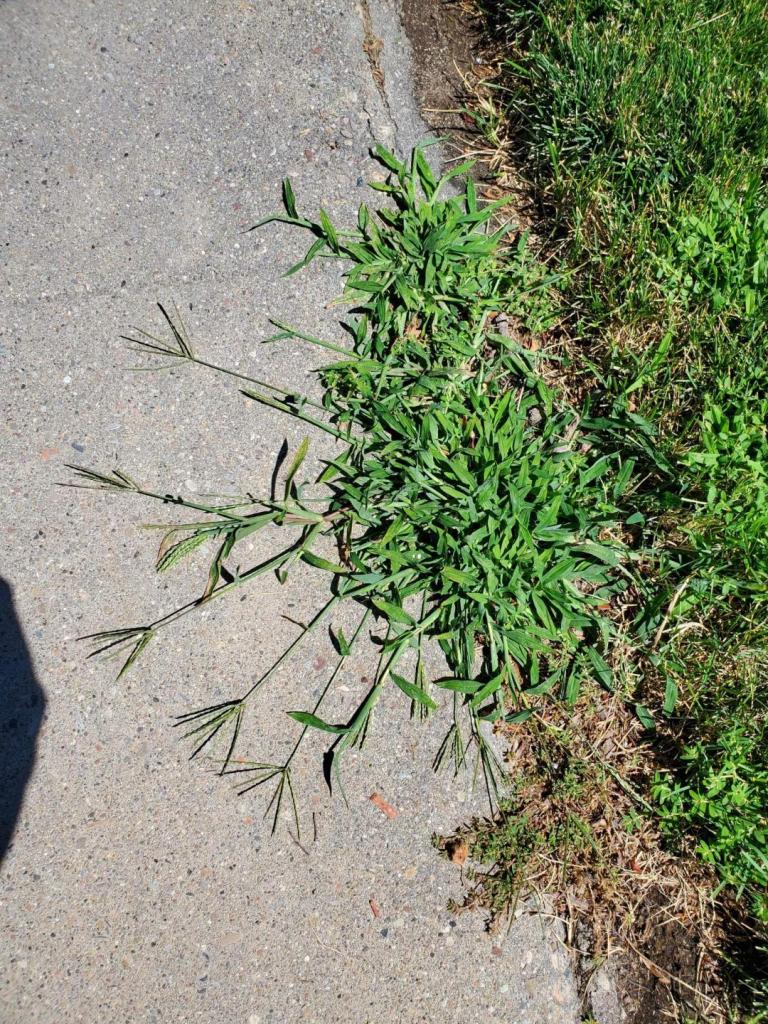
Crabgrass
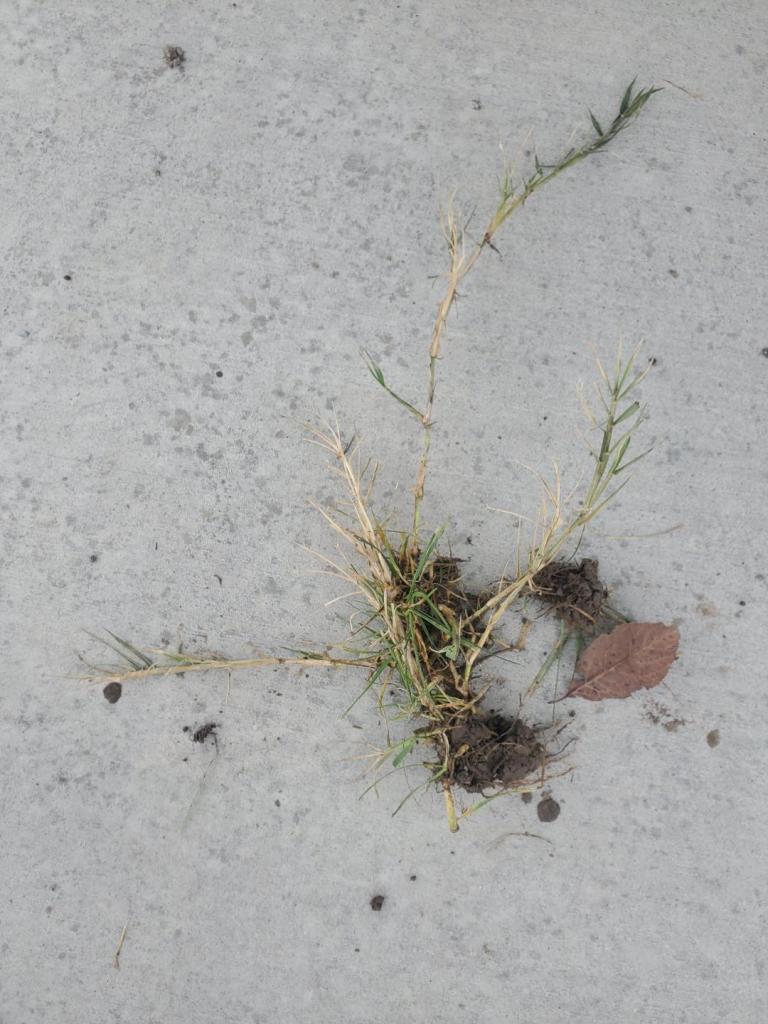
Crabgrass is lime green in color. It starts growing around the edges of the lawn or bare areas. Its blades feel soft, almost velvety. As it grows in size, it starts to branch out and lay on the ground. It also starts to turn red in the center of the weed.

Morning Glory
This is a vine-like weed that spreads out across the entire lawn. This is a very difficult weed to kill and will likely take multiple applications to get rid of.
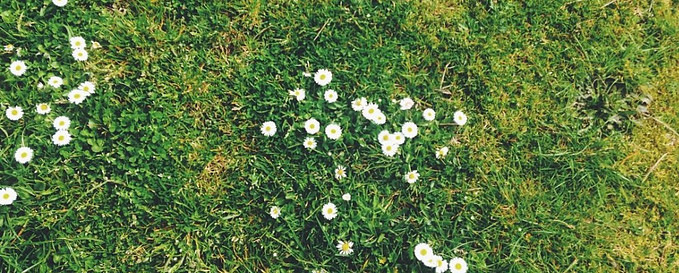
Dandelions and other broadleaf weeds
There are many different types of broadleaf weeds but our weed killer takes care of all of them.

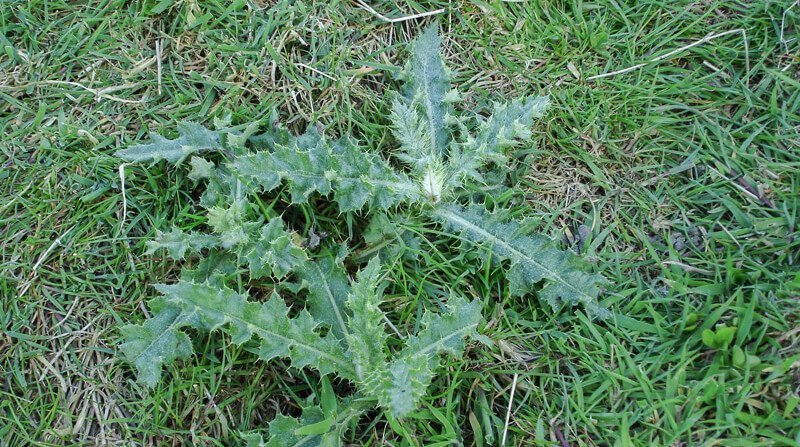
Thistle
This is a weed that grows straight up in the air and has a prickly stem and can be painful to the touch. It can also grow a purple flower at the top if left alone too long. This weed is also very difficult to kill because it has a waxy cover on the exterior. It will likely take multiple applications.
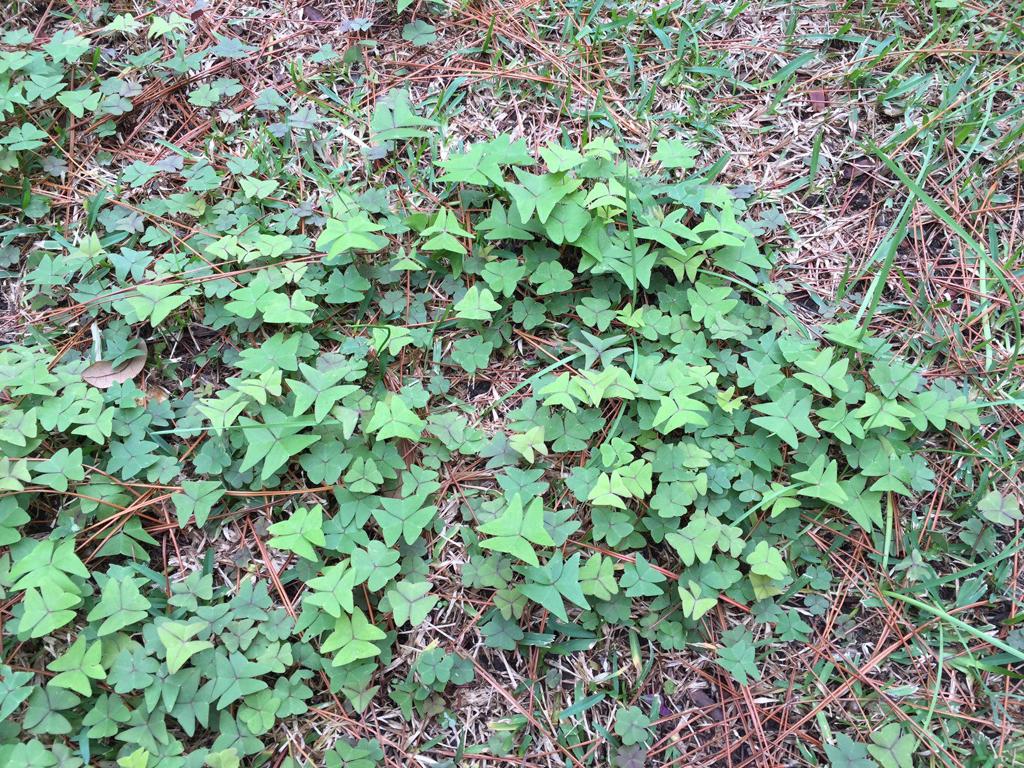
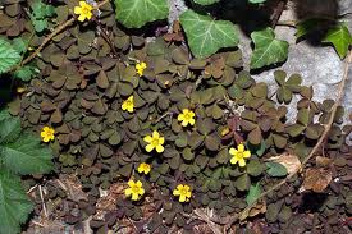
Clovers
There are many different names, types, and colors of this weed but they are all able to be taken care of by our weed killer. It is a very stubborn weed so it is also likely to take multiple applications to completely rid your lawn of this weed.
Weeds We CAN’T Kill
Most of these are just different kinds of grasses that we cannot take care of without killing your lawn as well. The only way to get rid of these grasses is digging them up and replanting sod in those areas.
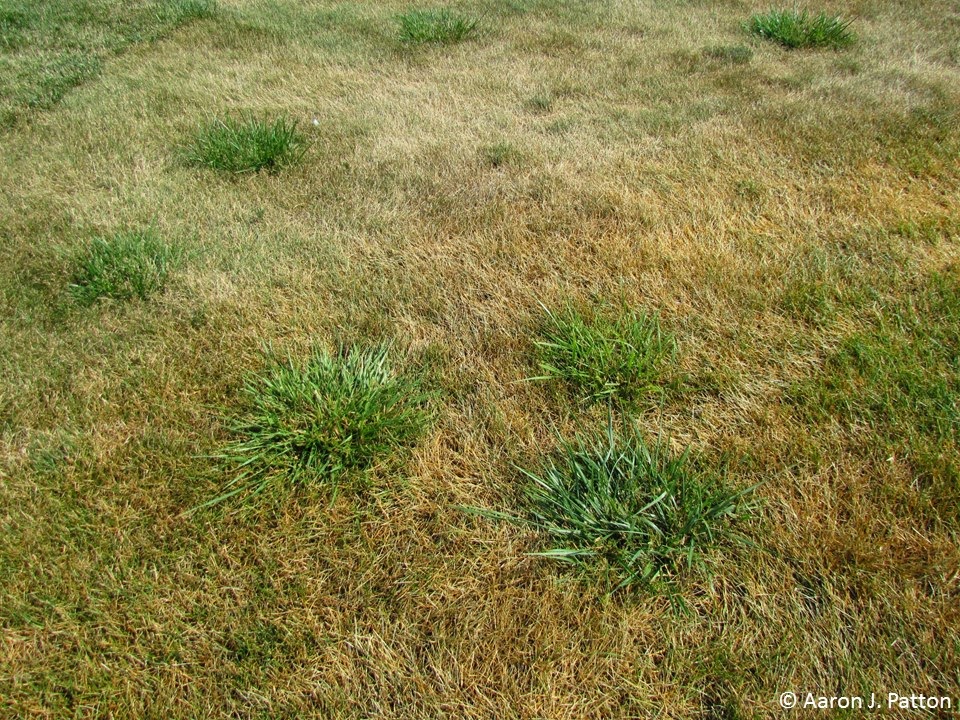
Tall Fescue
Tall Fescue is an invasive grass. It grows in patches with long, thick blades of grass. Another way to identify this grass is that it grows much faster than the rest of your lawn.
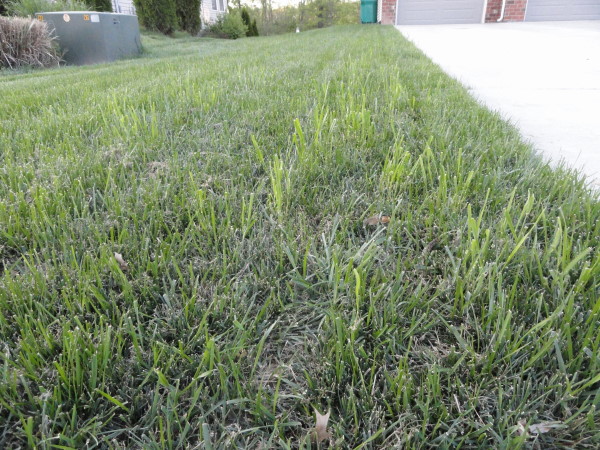
Quackgrass
Quackgrass comes through your lawn almost at random. It will come through in single blades and will grow faster than the rest of your grass. This is much harder to treat because to completely rid your lawn of this, you need to dig up the entire lawn and place new sod. This is not recommended because Quackgrass is not very noticeable in a lawn.
Bermudagrass
This is a pesky grass that can take over an entire lawn. It grows in long, thick strands and is very difficult to get rid of. It can be in parts of your lawn and you may not know it unless you dig it up.

 TK Lawns